Does a 3.0 in Your Classroom Mean the Same Thing as a 3.0 Next Door?
Here's a question worth asking your staff this week:
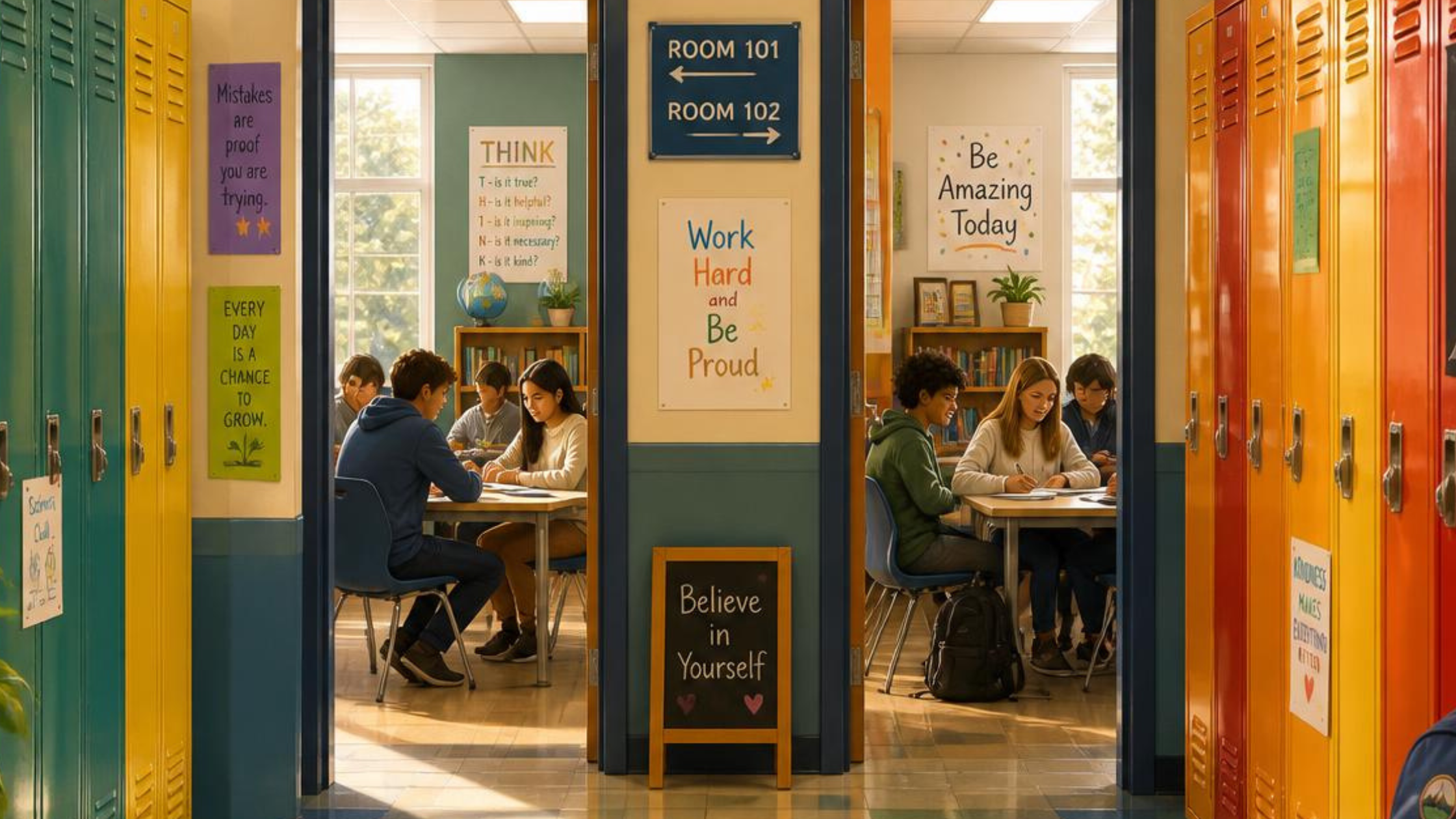
Does a 3.0 in your classroom mean the same thing as a 3.0 in the classroom next door?
In most schools, the honest answer is no.
And that gap is costing students more than we realize.
I've sat in enough curriculum meetings and professional development sessions to know that when teachers build proficiency scales — even when they work hard and care deeply — the 3.0 from one classroom rarely matches the 3.0 from another. One teacher's proficient is another teacher's developing. One grade level's target is another grade level's stretch goal.
We call it teacher autonomy. I call it a calibration problem.
Here's why it matters more than we're admitting.
When a student moves from 3rd grade to 4th grade, they arrive carrying a proficiency level assigned by last year's teacher. If that 3.0 wasn't calibrated to the actual depth of the state standard — if it was based on that teacher's interpretation rather than a shared external benchmark — the 4th grade teacher is starting from a false foundation. They're planning instruction based on a data point that doesn't mean what they think it means.
Multiply that across a building. Across a district. Across years of a student's educational journey.
The gap between what we call proficient locally and what the state calls proficient on an assessment doesn't appear until the data comes back. By then the instructional window has often closed.
A Systems Problem Demands a Systems Solution
This isn't a teacher problem. Teachers are doing exactly what they were asked to do. This is a systems problem — and it has a systems solution.
Proficiency has to be calibrated to something external. Not to one teacher's understanding of a standard. Not to a grade level team's collective interpretation. To the actual depth and expectations of the state standard as it will be assessed.
Anchoring Expectations
When we build Assessment and Teaching Tools instead of independent proficiency scales, we anchor the 3.0 to state assessment expectations from the start. Every teacher in every classroom is working from the same calibrated definition of what proficient actually means.
A 3.0 is a 3.0 — not because we agreed it should be, but because we built it against the same external standard.
That's not just a measurement improvement. That's an equity issue.
Students in some classrooms are being told they're proficient when the state assessment will tell them something very different. That disconnect is confusing, demoralizing, and completely preventable.
We have the tools to fix this. What we need is the willingness to name the problem honestly — and the commitment to build something better than what we've been using.
So ask the question this week. Does a 3.0 in your classroom mean the same thing as a 3.0 next door?
If you don't know the answer — that's the answer.