
Learning First Blog
Insights & Perspectives on Curriculum, Instruction and Assessment
Featured Post

Join the Conversation
Get practical educational strategies and honest insights delivered to your inbox every month.
The Initiative That Didn't Feel Like One
New initiatives arrive in August and quietly disappear by October. One Cassville R-IV administrator explains why closing the alignment gap felt different, and what leaders are seeing now that PLC conversations have shifted from what to teach to how to teach it well.
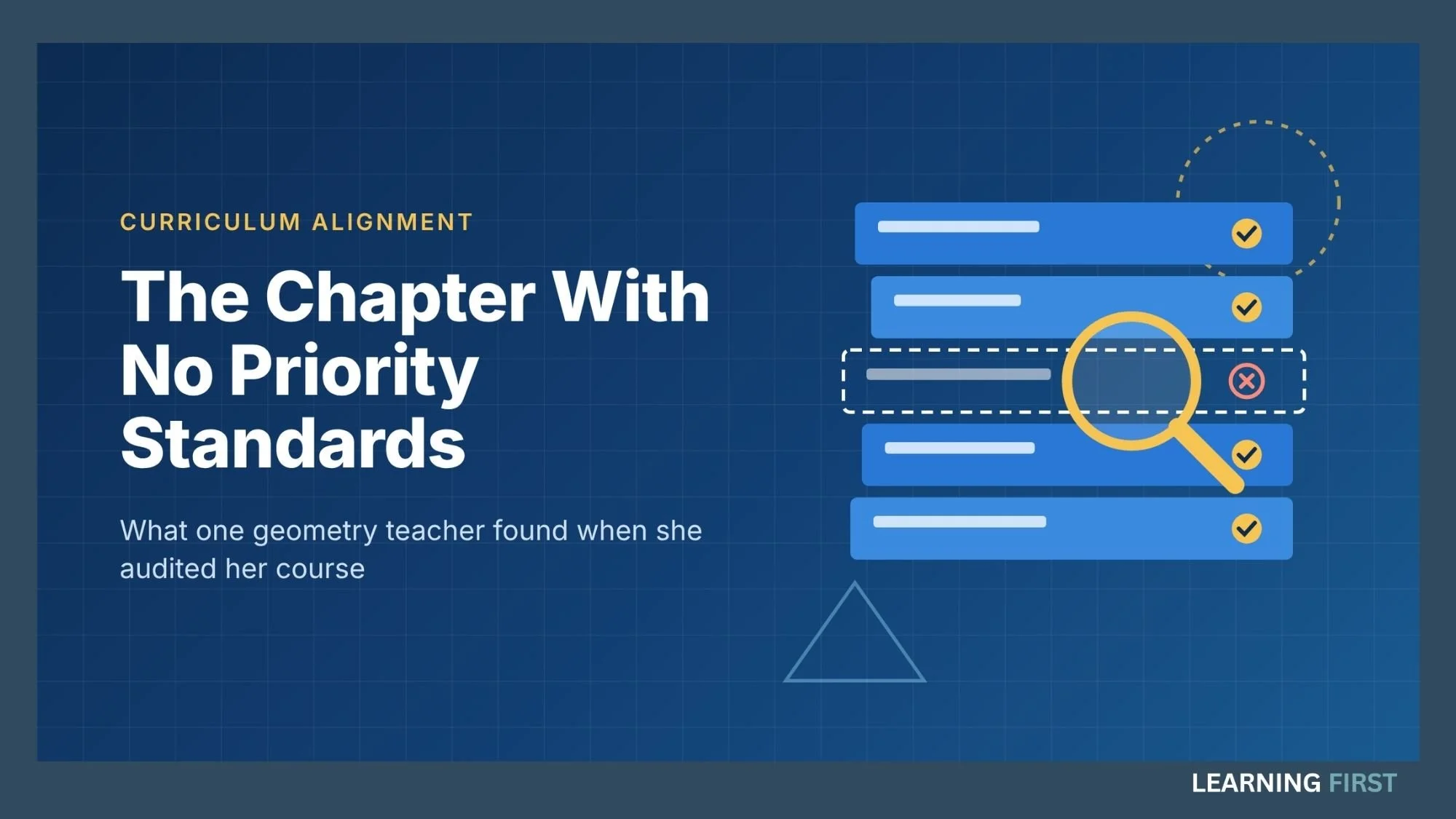
The Chapter With No Priority Standards
A rural geometry teacher audited her course and found a chapter she'd taught for years didn't touch a single priority standard. Here's how one simple fix gave weeks of instruction back to the standards her students actually needed.

The Lightbulb Moment: Discovering the Blind Spots in Your Curriculum
You can't have a lightbulb moment reading a memo. Discover how hands-on work time with curriculum standards helps teachers spot hidden gaps, focus on priority standards, and win their Sunday nights back.

From Textbooks to True Curriculum: The Journey to Clarity
For too long, teachers have been handed a stack of textbooks and expected to build a curriculum from scratch. Discover why 3 out of 4 teachers are flying blind without a pacing guide, and how the Curriculum Management Tool provides the living, organized map they need to stop guessing and start teaching.
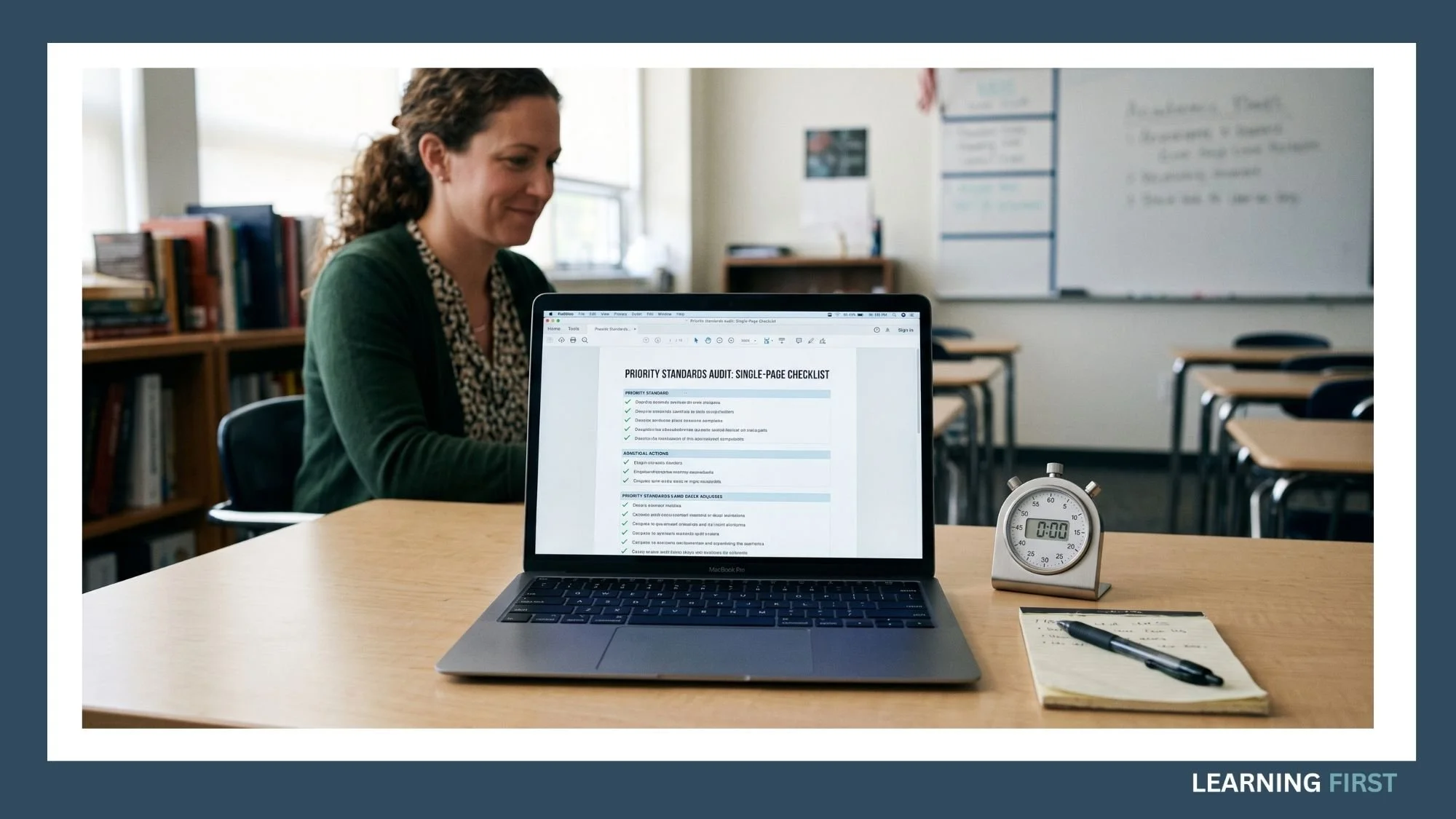
Are You Ready to Trade "FINAL v2" for a System That Works?
Time to stop working on multiple versions of Curriculum! Read more…

Stop Reinventing the Wheel Every Summer
Auditing your curriculum isn't throwing away hard work; it's honoring it. Learn how simplifying to a one-page system takes work off teachers' plates while maximizing student results.

Inspiring Conversations with Shauna Stephanchick of Learning First
Check out a recent conversation Voyage KC had with Shauna Stephanchick and get ready to be inspired!
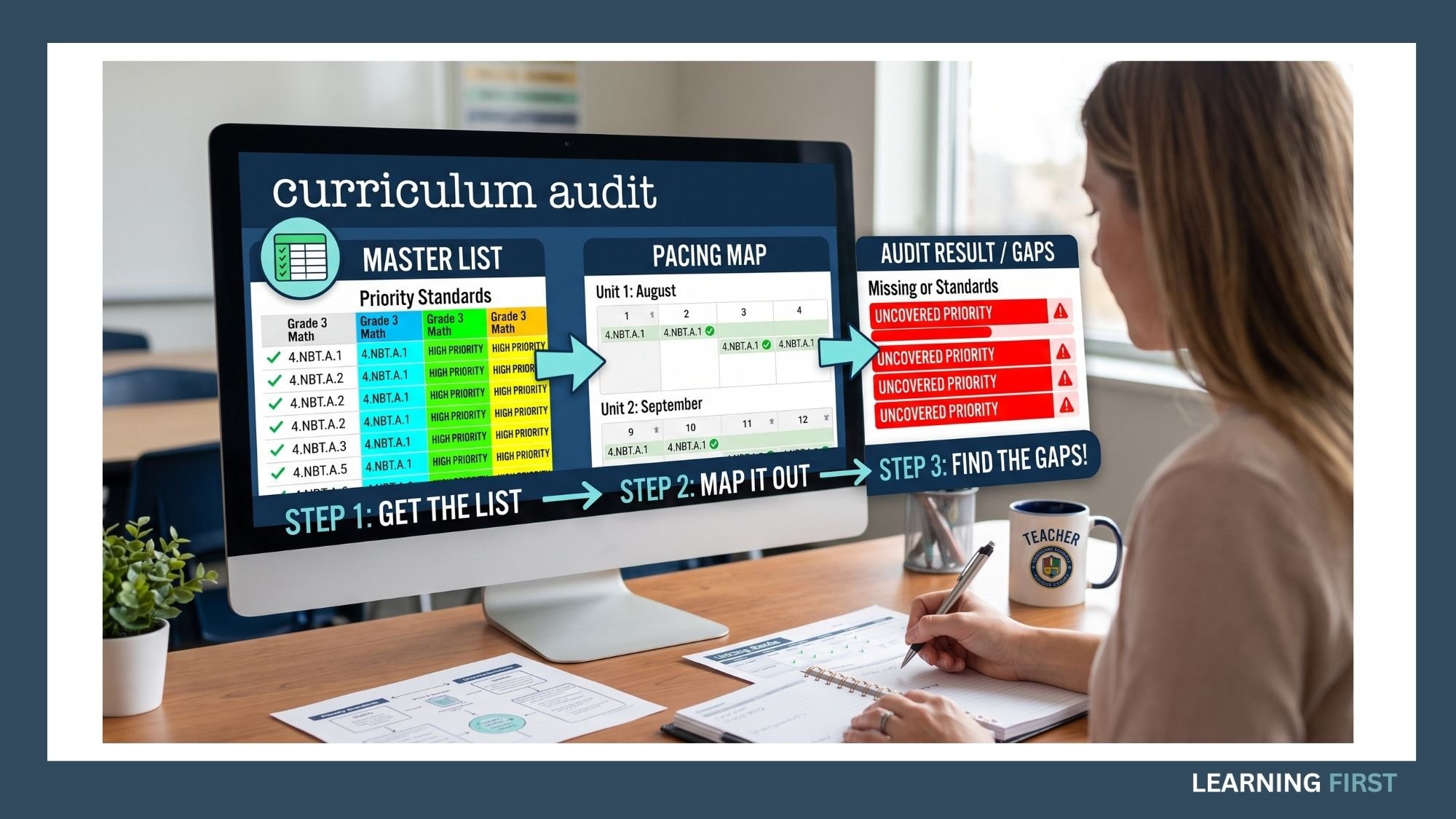
How to Audit Your Year in 3 Steps
Most curriculum overhauls feel like a sentence to months of committee meetings and software onboarding. But ensuring your daily instruction aligns with what actually matters doesn't require a summer-long project—it just takes a clear-eyed look at your current pacing.

The Secret Sauce — Why Auditing Beats Guessing
Most instructional gaps aren't caused by poor teaching—they're caused by invisible disconnects. Discover why curriculum auditing beats guessing and how aligning daily lessons with state assessments unlocks true student achievement.
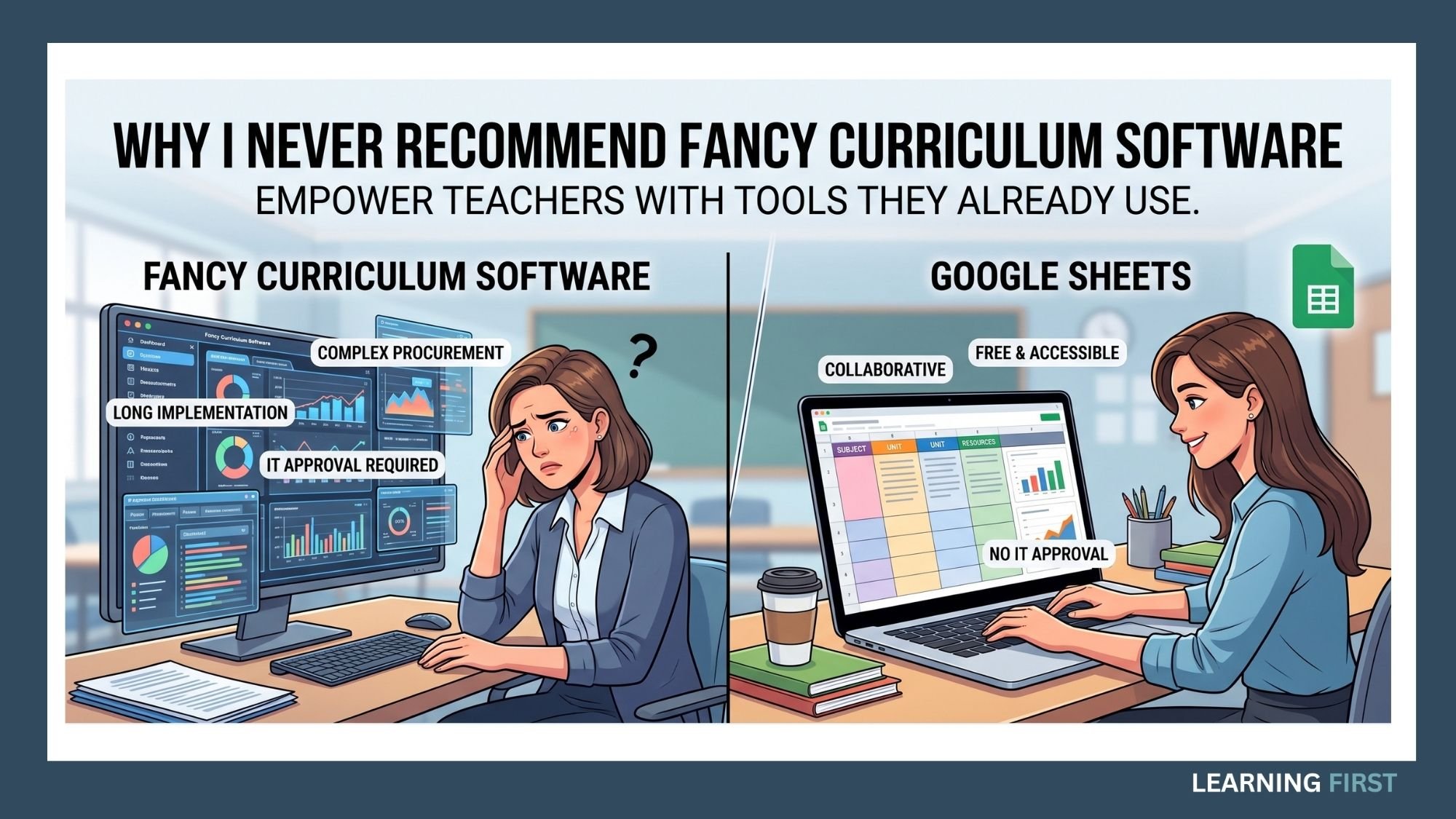
Why I Never Recommend Fancy Curriculum Software
I’m often asked why I don't push districts toward specialized curriculum platforms. The answer is simple: the best system is the one teachers will actually use. While fancy software comes with barriers like procurement forms, IT approval, and long implementation times, free and collaborative tools like Google Sheets are high-impact alternatives that require zero IT approval. In this post, I share how one teacher built her dream dashboard in just 45 minutes and why we must prioritize easier, faster approaches if we want to retain our educators.
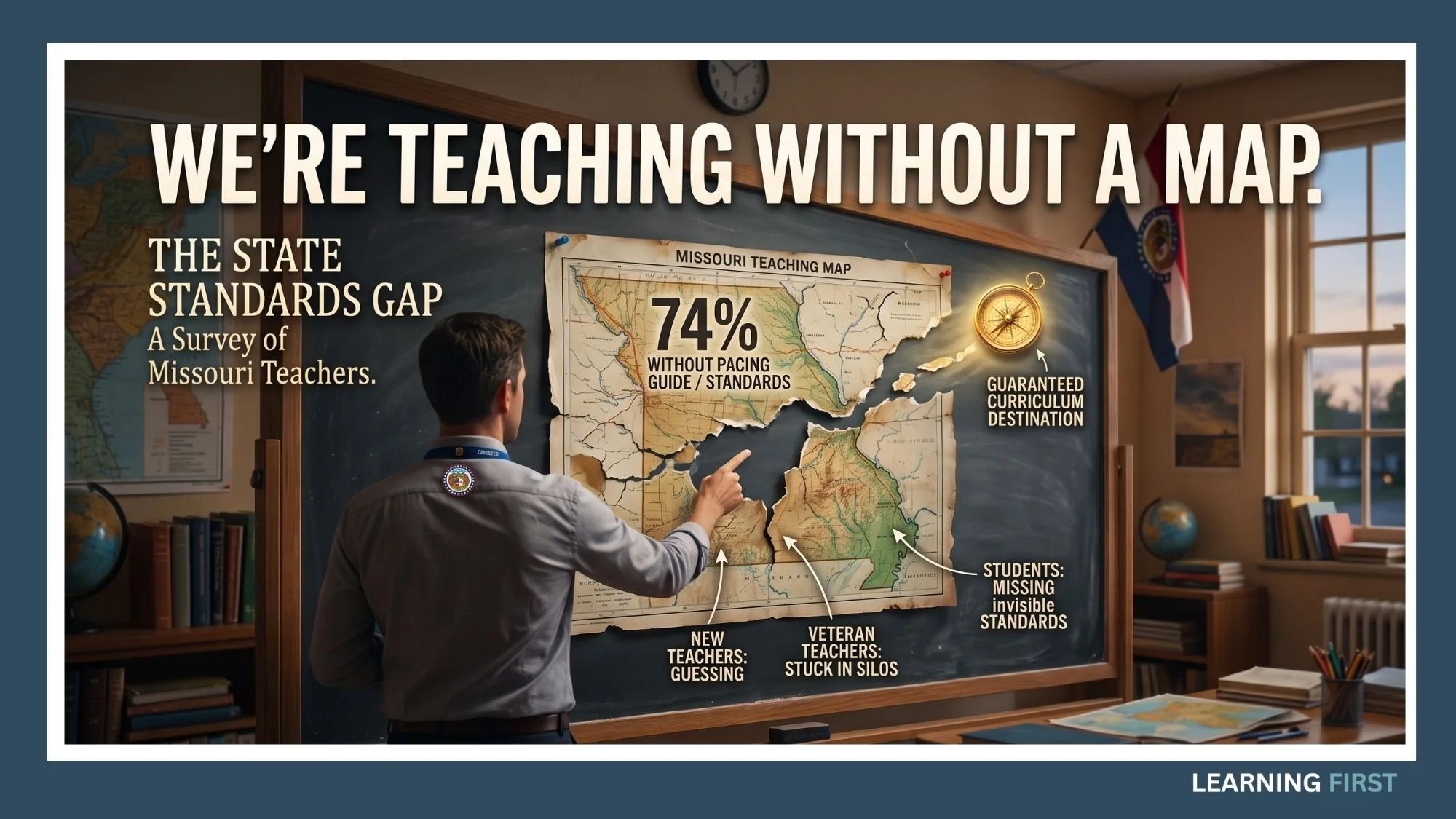
We’re Teaching Without a Map
A recent survey reveals 74% of Missouri teachers are working without a standard-aligned pacing guide. Discover how missing curriculum maps leave new educators guessing, isolate veteran teachers, and shortchange students—and why centralizing learning targets changes everything.
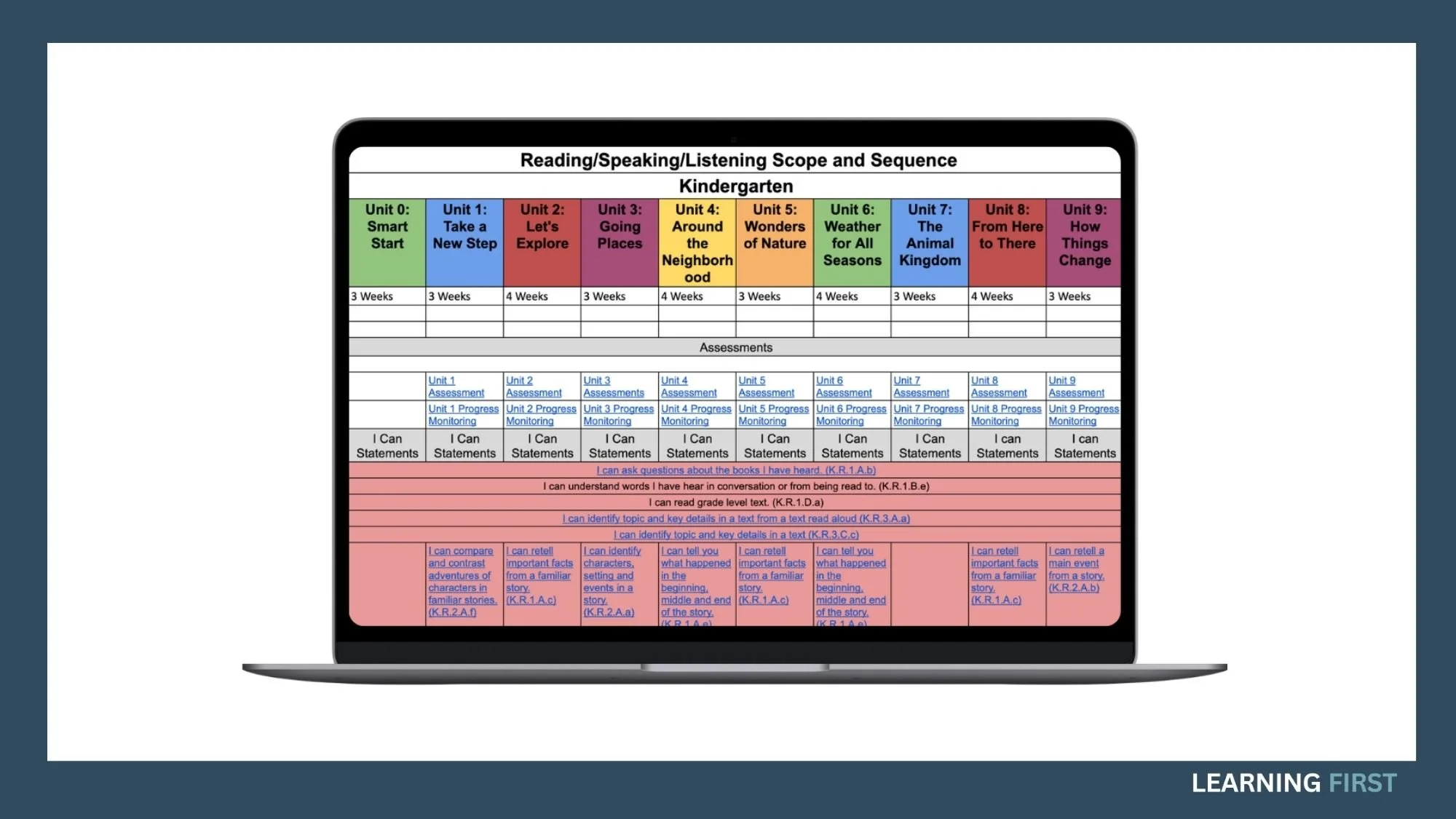
Meet Your Teaching Dashboard — The One-Page Fix for Curriculum Chaos
Tired of complex software platforms and curriculum chaos? Discover the "Teaching Dashboard"—a simple, one-page Google Sheet that acts as a GPS for the entire school year with zero new logins or IT headaches required.
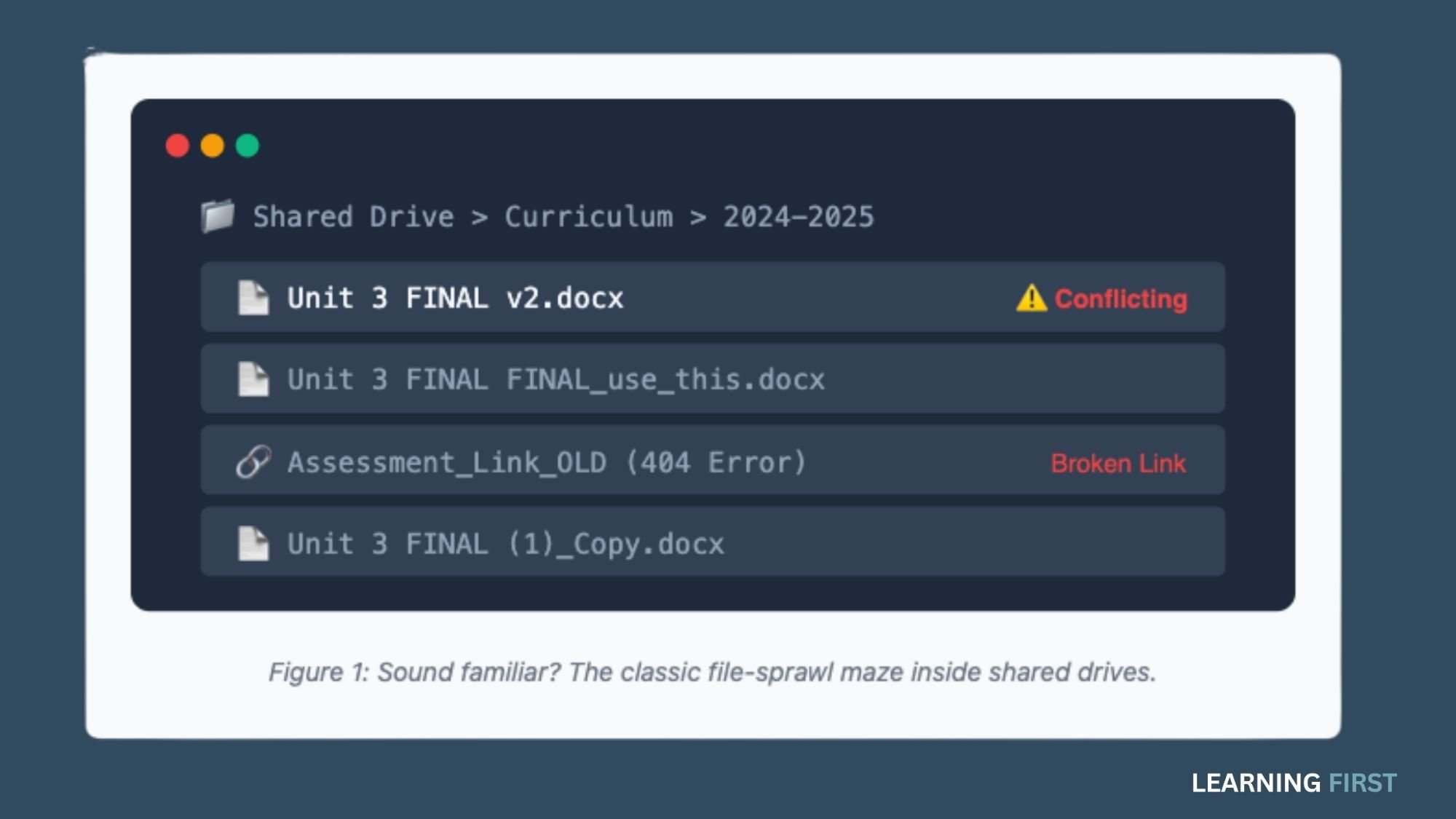
The Digital Ghost Town — Why Your Curriculum Chaos Isn't a Teacher Problem
Four teachers, four different versions of the exact same assessment, and zero agreement on which one is actually "live." Shared drive clutter—full of broken links and folders named "Unit 3 FINAL v2"—isn't a teacher failure. It's a broken system.
Fixing version-control chaos doesn't require a massive tech overhaul. Here is how a simple, one-page framework puts an end to shared drive clutter for good.

Why Learning First
Most schools claim learning comes first, but daily noise crowds it out. When good instruction is pointed at the wrong target, student achievement suffers. Discover how school leaders can bridge the gap between resources and true standards to bring clarity back to classrooms.

Portrait of a Proficient Teacher
Teachers don't leave because they don't care about excellence—they leave because we demand it without defining it. What if the key to solving the teacher retention crisis is giving educators a clear, visual picture of what success actually looks like?

A Proficiency Scale Describes the Destination. It Doesn’t Give Anyone a Map.
Traditional proficiency scales describe the destination, but they don't give teachers a map. Discover how moving from static scales to Assessment & Teaching Tools provides the prerequisite skills and strategies needed to turn labels into actionable learning plans.

Does a 3.0 in Your Classroom Mean the Same Thing as a 3.0 Next Door?
Does a 3.0 in your classroom mean the same as a 3.0 next door? In most schools, the honest answer is no. Discover why this grading gap is costing students more than we realize and how calibrating proficiency scales to external standards can solve this critical equity issue.

I Stood in That Room Wishing I Hadn’t Done the Training
Standing in a room full of exhausted teachers trying to build proficiency scales from scratch, I wished I hadn't led the training. We were asking them to reinvent the wheel—and failing them in the process. It’s time to break this cycle and support our educators with a better way.
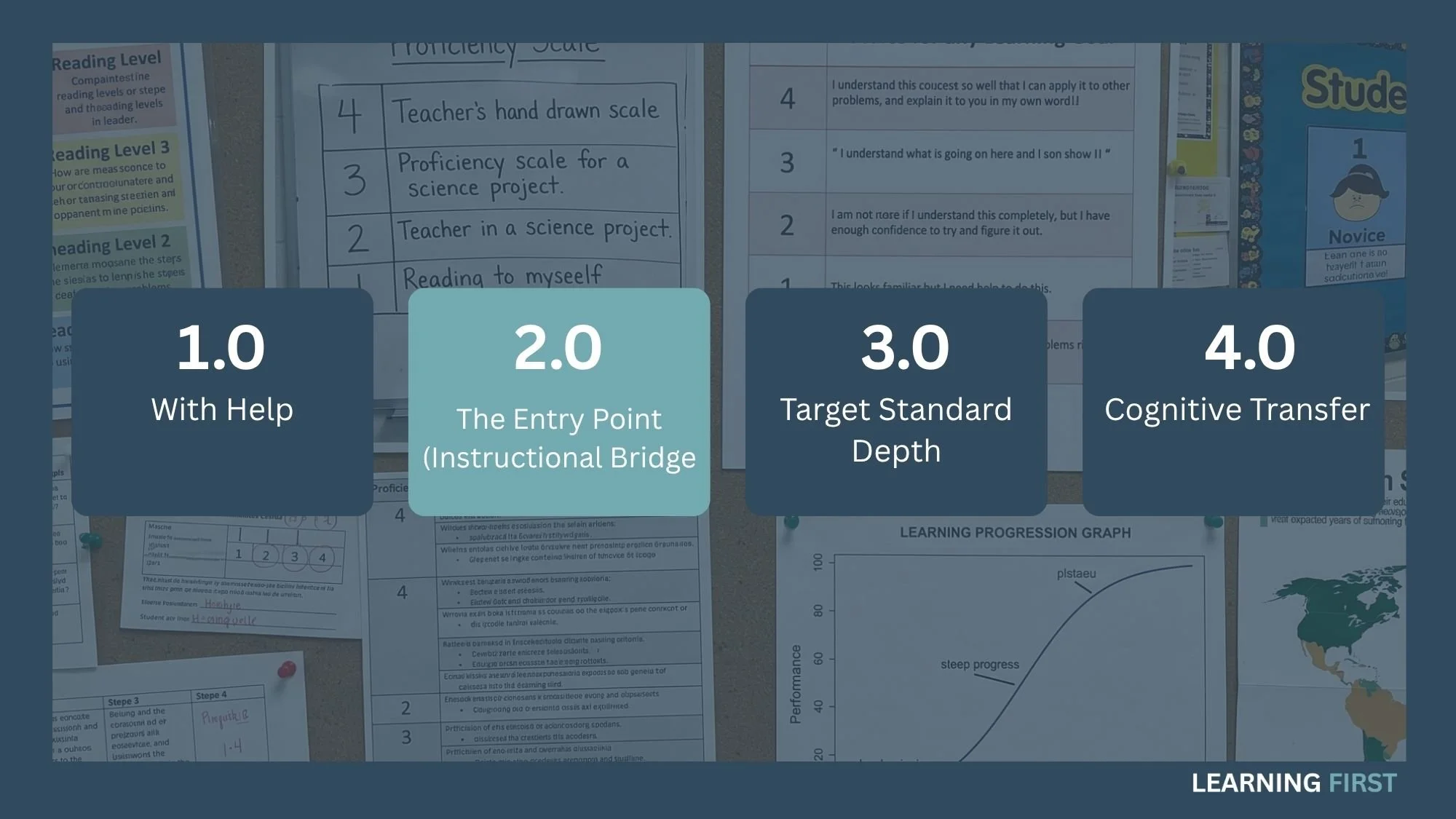
Proficiency Scales Were Supposed to Change Everything. Here's Why They Often Don't.
Marzano’s research promises up to a 1.0 standard deviation boost in student achievement—so why aren't schools seeing those results? Most proficiency scales fail at depth, calibration, and instructional utility. Here is where most schools fall short and how to get real results.
The Problem with Proficiency Scales
Proficiency scales were supposed to bring clarity, but implementation gaps are quietly holding students back. A 3.0 in one room doesn't mean a 3.0 down the road. Is it time to leave traditional scales behind? Explore the shift to Assessment and Teaching Tools.